The useful short answer
Translate your visual expertise into readable service information. Explain specialties, consultation requirements, prices and booking rules. Connect permissioned portfolio examples to the services and practitioners responsible.
This is a practical marketing playbook. The examples are illustrative; adapt them to facts your business can support. Actions improve your information and measurement, but cannot guarantee inclusion in AI answers.
1. Choose the new client you want to attract
Look at your best repeat bookings and the work your team wants more of. Choose a specific service and client need, such as a first curly cut or a colour consultation. Avoid promising expertise across every possible treatment simply to match more queries.
Test realistic discovery questions using your area and that need. Save the salons mentioned and the sources linked. Run a separate check for your own salon name to catch wrong opening hours, old practitioners or services you no longer offer. A single flattering answer is not proof that newcomers consistently find you.
2. Put the service into words a client understands
Create a page that explains the appointment, who performs it, approximate duration and whether a consultation is needed. State the price or a clear starting point with the factors that change it. Distinguish a full appointment from a consultation or deposit-only booking.
Explain preparation, practical restrictions and your process for discussing suitability. Only publish safety or health statements that are appropriate and professionally supported. For regulated or invasive services, get qualified review and follow the requirements that apply to your business. Never imply that a cosmetic service treats a medical condition without proper basis.
3. Make your portfolio explain the work
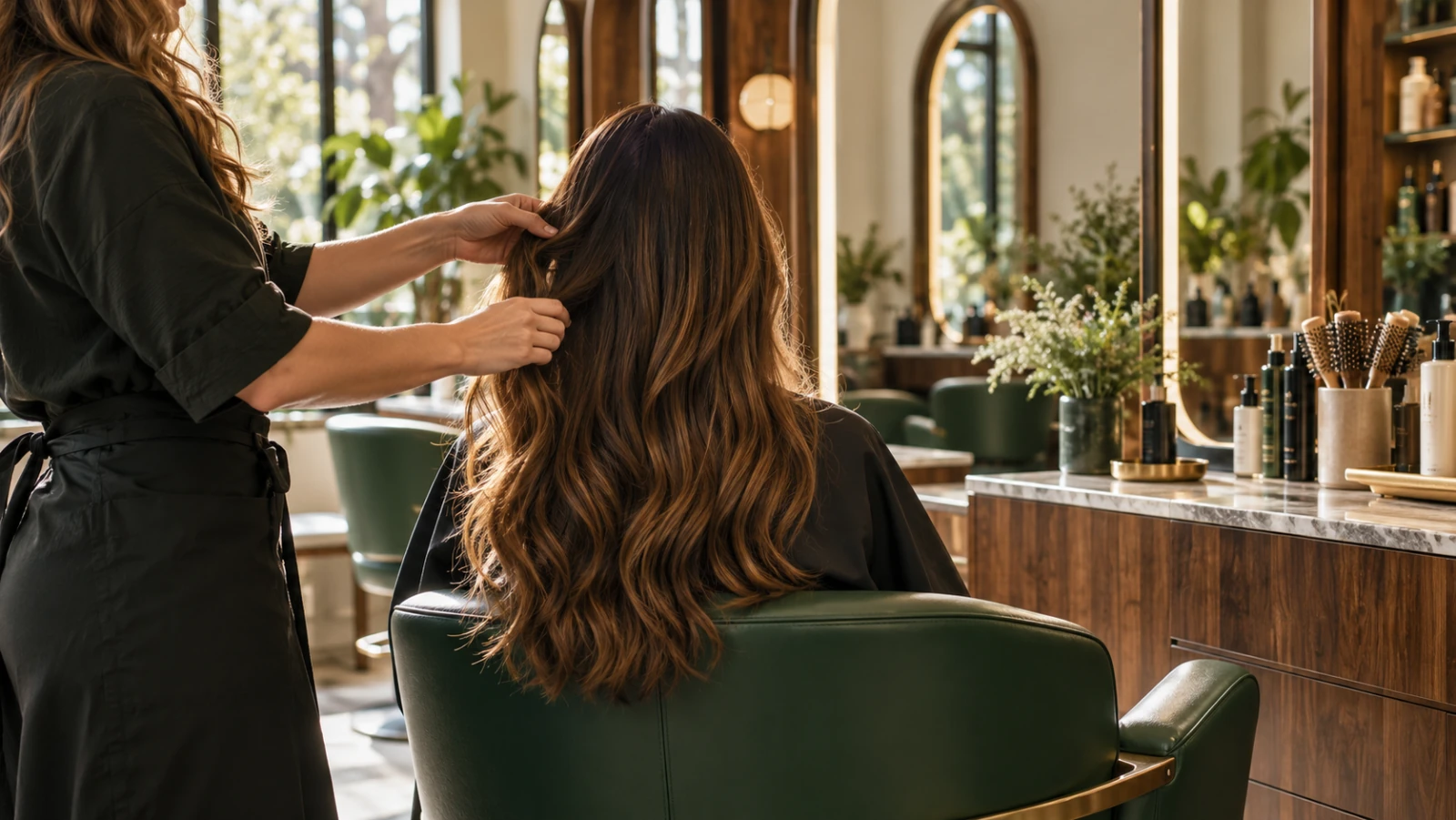
Use client images only with appropriate permission. Add factual captions about the service, technique and practitioner. Explain when a result required several appointments, extensions, styling or unusual lighting. Avoid filters or edits that misrepresent the outcome.
Write concise alternative text for meaningful images and put important service facts in the page text. A photograph can demonstrate style, but it cannot reliably communicate a cancellation policy, appointment duration or complete price. Link each useful example to the relevant service and booking route instead of leaving it as a disconnected gallery.
4. Align the salon, stylist and booking information
Check your website, business profile and active booking platform together. Verify the address, hours, service names, prices and staff. If a specialist works only on certain days, say so. Remove prominent links to people who have left and make any transition clear to clients.
Give each real location its own practical information. Where booking is handled externally, test that the link opens the correct salon and service. Ask clients for honest reviews without scripting keywords or sentiment. Relevant local editorial coverage can help people discover your work, but do not mistake paid placements for independent recommendations.
5. Turn discovery into the right booking
Walk through the booking flow as a new client. Can they identify the right service, understand the deposit and cancellation rules, and ask a question before committing? Provide a consultation route when a wrong service choice could waste the client’s appointment and your team’s time.
Track new-client enquiries, completed bookings, service fit and repeat visits. Keep booking-link clicks separate from confirmed appointments. Repeat a fixed set of discovery questions monthly and after major staff or menu changes. If mentions grow but unsuitable bookings increase, improve the service descriptions before expanding your content programme.
Serving food or hosting occasions as well? Explore the restaurant visibility guide.
Your 30-day action plan
Use the month to build a baseline and ship useful improvements. AI answers may take longer to change, and results can vary between runs.
Common questions
Is Instagram enough for AI visibility?
A visual profile can support discovery and confidence, but keep essential service and booking facts on a public page that people can read and navigate.
Should every stylist have a separate website?
Usually start with accurate practitioner profiles on the salon site. Keep responsibilities, locations and booking arrangements clear instead of multiplying sites to maintain.
Sources and scope
Platform documentation supports the technical foundations. The sector examples and work plans are RaccoonRadar’s suggested applications, not claims of tested client results.
- Google: AI features and your website ↗
- OpenAI: overview of crawlers ↗
- Google: improve your local ranking ↗
Prepared with AI assistance and public documentation. No proprietary search-volume dataset or client outcome study is claimed. Published 27 October 2026.